Key Takeaways
- Panchakarma is a classical Ayurvedic detoxification and rejuvenation therapy involving five specialised procedures designed to remove toxins and restore doshic balance.
- It works by clearing ama (toxins) from the body, balancing Vata, Pitta, and Kapha doshas, and strengthening Agni (digestive fire).
- Panchakarma offers wide-ranging benefits, from improved digestion and immunity to better sleep, skin health, mental clarity, and hormonal balance.
- Panchakarma should always be undertaken under proper medical supervision, with the treatment plan personalised to the individual’s constitution and health status.
Panchakarma is one of Ayurveda’s most powerful and time-tested approaches to detoxification, rejuvenation, and disease prevention. Rooted in classical texts and practised for thousands of years, Panchakarma goes beyond symptom relief to address the root cause of imbalance in the body.
At Back to Roots Ayurveda in Kerala, Panchakarma is offered as a structured, physician-supervised program combining traditional therapies with personalised care. This guide covers what Panchakarma is, how it works, and the ten key health benefits it offers.
What is Panchakarma Treatment in Ayurveda?
Understanding Panchakarma
Panchakarma literally translates to “five actions” or “five procedures.” It refers to a set of five classical Ayurvedic therapies designed to cleanse the body of accumulated toxins, correct doshic imbalances, and restore the body’s natural state of health.
Unlike quick-fix detox programs, Panchakarma is a structured, multi-stage process that includes preparatory therapies, the main cleansing procedures, and a period of post-treatment care.
The Five Panchakarma Procedures
The five classical procedures that make up Panchakarma are:
- Vamana – therapeutic emesis, used primarily to clear excess Kapha
- Virechana – therapeutic purgation, used to eliminate excess Pitta
- Basti – medicated enema therapy, considered especially effective for Vata-related conditions
- Nasya – administration of medicated oils or powders through the nasal passage, used to clear the head and sensory channels
- Raktamokshana – therapeutic bloodletting, used in specific conditions to purify the blood
Depending on the individual’s constitution and health concern, one or more of these procedures may be recommended as part of a personalised Panchakarma protocol.
How Does Panchakarma Work?
Removing Ama (Toxins)
According to Ayurveda, poor digestion, unhealthy lifestyle habits, and environmental factors lead to the accumulation of ama, or undigested toxic residue, in the body.
Panchakarma is specifically designed to loosen and eliminate this ama through its various cleansing procedures, helping to clear the channels (srotas) through which nutrients and waste are transported.
Restoring Dosha Balance
Each of the five Panchakarma procedures targets a specific dosha imbalance, whether it’s excess Kapha, aggravated Pitta, or disturbed Vata.
By addressing the dominant imbalance directly, Panchakarma helps restore the body to a more stable, balanced state, which is considered essential for long-term health in Ayurveda.
Improving Agni (Digestive Fire)
Since weak or irregular Agni is at the root of most imbalances and toxin accumulation, Panchakarma places strong emphasis on rekindling healthy digestive fire.
This is supported through preparatory therapies, a specific diet during treatment, and post-treatment dietary guidance, all aimed at helping the digestive system function optimally going forward.
10 Health Benefits of Panchakarma
Detoxifies the Body Naturally
Panchakarma’s core purpose is detoxification, using natural procedures to eliminate accumulated toxins rather than relying on external chemical detox agents.
Improves Digestive Health
By clearing ama and restoring Agni, Panchakarma helps resolve issues like bloating, indigestion, and irregular bowel movements, supporting more efficient digestion overall.
Strengthens the Immune System
A balanced digestive system and reduced toxin load are believed in Ayurveda to directly support stronger immunity, helping the body better resist illness and recover more efficiently.
Reduces Stress and Anxiety
Therapies such as Shirodhara and Nasya, often included in Panchakarma protocols, have a calming effect on the nervous system, helping to ease stress and anxiety. This makes Panchakarma a valuable complement to more targeted approaches such as Ayurvedic treatment for anxiety.
Promotes Better Sleep
By calming an aggravated nervous system and correcting Vata imbalance, Panchakarma can significantly improve sleep quality, making it a useful option for those also exploring Ayurvedic treatment for insomnia.
Supports Joint and Muscle Health
Procedures like Basti and associated oil therapies help nourish joint tissues and pacify Vata, offering relief from stiffness and discomfort in the joints and muscles.
Improves Skin Health
By clearing internal toxins and improving circulation, Panchakarma often reflects visibly on the skin, leaving it clearer, more hydrated, and more radiant.
Enhances Mental Clarity
Nasya and other head-focused therapies used in Panchakarma are traditionally believed to clear the sensory channels and calm the mind, supporting sharper focus and mental clarity.
Helps Balance Hormones
By correcting doshic imbalances and supporting overall metabolic function, Panchakarma is often used as a supportive therapy for hormone-related concerns, though this should always be guided by a qualified practitioner based on individual assessment.
Promotes Longevity and Overall Wellness
Beyond addressing specific complaints, Panchakarma is traditionally regarded as a rejuvenating (Rasayana) process that supports long-term vitality, resilience, and overall wellness when undertaken periodically.
Panchakarma Massage Benefits
Role of Abhyanga in Panchakarma
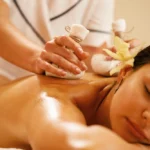
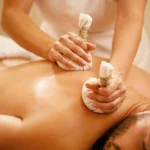
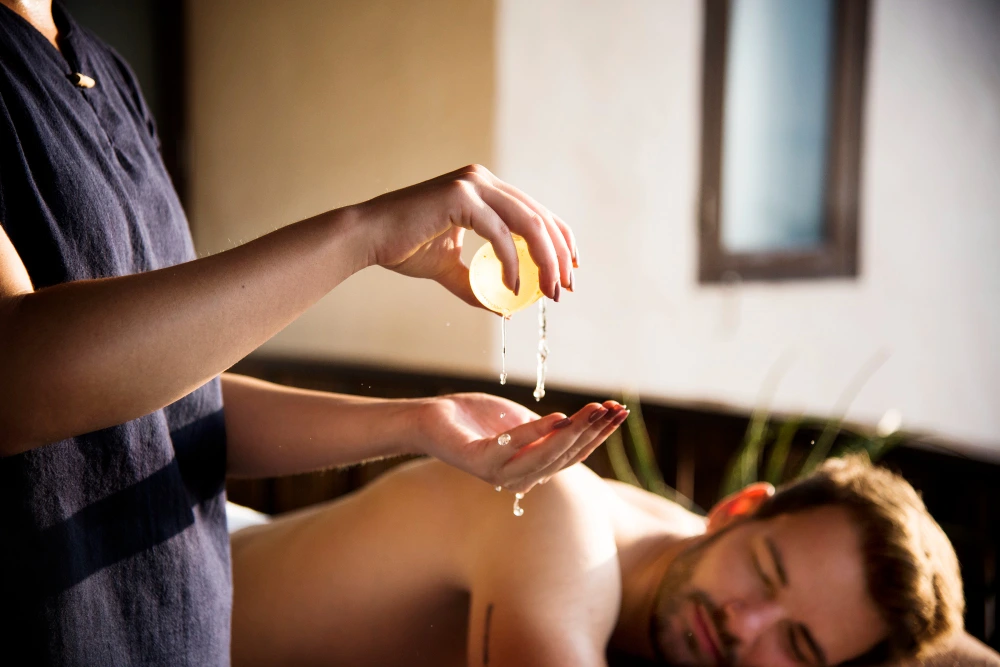
Abhyanga, a warm medicated oil massage, is typically used both as a preparatory therapy before the main Panchakarma procedures and as a supportive treatment throughout the program. It helps loosen toxins, improve circulation, and prepare the body for deeper cleansing procedures.
Benefits of Herbal Oils and Therapeutic Massage
The herbal oils used in Abhyanga and other Panchakarma-related massages are chosen based on the individual’s dosha and specific health concerns. These oils help nourish tissues, calm the nervous system, and enhance the overall detoxification and rejuvenation effects of the Panchakarma program.
Is Panchakarma Safe?
Who Can Benefit?
Panchakarma is generally suitable for adults seeking preventive care, those managing chronic conditions like digestive disorders, joint pain, stress, or sleep issues, and individuals looking for a structured seasonal detox and rejuvenation program.
Who Should Avoid Panchakarma?
Panchakarma is generally not recommended for pregnant women, individuals with certain acute infections, severe cardiac conditions, or those in a very weak or debilitated state, unless specifically advised and closely supervised by a qualified Ayurvedic physician.
Importance of Medical Supervision
Because Panchakarma involves powerful cleansing procedures, it should always be undertaken under the guidance of a trained and experienced Ayurvedic physician, with the specific procedures, duration, and intensity tailored to the individual’s health status.
Who Should Consider Panchakarma?
Panchakarma is worth considering for those experiencing persistent fatigue, digestive issues, joint stiffness, stress, or sleep disturbances, as well as for individuals simply looking to reset their health with a structured seasonal detox. It is also commonly recommended as a supportive therapy alongside treatment for specific chronic conditions, guided by a proper Ayurvedic assessment.
Why Choose Kerala for Panchakarma?
Kerala is widely regarded as the birthplace of authentic Panchakarma, with a centuries-old tradition of Ayurvedic practice, access to genuine herbal medicines, and experienced physicians trained in classical protocols.
Choosing an established centre among the well-known ayurvedic hospitals in Kerala ensures treatment is delivered with the authenticity and expertise that Panchakarma requires. For those looking to fully immerse themselves in the process, an ayurvedic retreat in Kerala offers the ideal environment, away from daily stressors, to support deeper healing.
Preparing for Panchakarma Treatment
Before Treatment
Preparatory measures, known as Purva Karma, typically include internal oleation (consuming medicated ghee or oil) and external oil massages over several days, helping to loosen toxins and prepare the body for the main cleansing procedures.
During Treatment
During the main Panchakarma procedures, patients typically follow a light, easily digestible diet, avoid strenuous activity, and rest as guided by their physician, allowing the body to focus its energy on the cleansing process.
After Treatment
Post-treatment care, known as Paschat Karma, involves a gradual return to a regular diet, continued lifestyle guidance, and sometimes additional rejuvenation therapies, all aimed at sustaining the benefits gained during the program.
FAQs
- What is Panchakarma treatment in Ayurveda?
Panchakarma is a classical Ayurvedic therapy involving five specialised cleansing procedures designed to remove toxins from the body and restore balance among the Vata, Pitta, and Kapha doshas.
- What are the major benefits of Panchakarma?
Panchakarma offers wide-ranging benefits, including detoxification, improved digestion, stronger immunity, reduced stress, better sleep, healthier skin, and greater mental clarity, among others.
- Is Panchakarma safe for everyone?
Panchakarma is safe for most adults when performed under proper medical supervision, though it is generally not recommended for pregnant women or individuals with certain acute or severe health conditions.
- How many days does Panchakarma treatment take?
The duration varies depending on the individual’s health concern and the specific procedures recommended, but a typical program may range from about one to three weeks, including preparatory and post-treatment phases.
- Can Panchakarma help with stress and anxiety?
Yes. Therapies such as Shirodhara and Nasya, commonly included in Panchakarma, have a calming effect on the nervous system and can help reduce stress and anxiety.
- Can Panchakarma improve digestion?
Yes. By clearing ama and restoring healthy Agni, Panchakarma helps resolve issues like bloating, indigestion, and irregular digestion, supporting long-term digestive health.
- Does Panchakarma help with weight management?
Panchakarma can support healthy weight management by improving digestion, clearing toxins, and correcting metabolic imbalances, though it works best when combined with appropriate diet and lifestyle changes.
- How often should Panchakarma be done?
Many practitioners recommend undergoing Panchakarma once or twice a year, ideally aligned with seasonal changes, though the right frequency depends on individual health needs and should be guided by a physician.
- Are there any side effects of Panchakarma?
When performed under proper medical supervision, Panchakarma is generally safe, though some individuals may experience mild fatigue, temporary digestive changes, or emotional release during the detoxification process.
- Where can I get authentic Panchakarma treatment in Kerala?
Back to Roots Ayurveda in Kerala offers authentic, physician-supervised Panchakarma treatment, combining classical protocols with personalised care in a traditional and immersive setting.