Neck stiffness after long hours at a desk. A dull ache in the lower back that never quite goes away. Pain that shoots down the arm or leg without warning. These complaints have become remarkably common, and for many people they are not temporary inconveniences they are the early signs of spinal conditions like spondylosis or Intervertebral Disc Prolapse (IVDP).
Modern lifestyles marked by prolonged sitting, reduced physical activity, and poor posture have accelerated the onset of spine-related disorders across all age groups. While conventional medicine often focuses on managing symptoms, Ayurveda takes a different approach one aimed at understanding and addressing the root cause of spinal degeneration and disc-related problems.
What Is Spondylosis?
Spondylosis refers to the age-related wear and degeneration of the spinal vertebrae, discs, and joints. It is essentially osteoarthritis of the spine, and it can affect different regions:
Cervical spondylosis affects the neck region and is among the most prevalent spinal conditions in adults over 40. Lumbar spondylosis affects the lower back and is closely associated with prolonged sitting and heavy lifting. Thoracic spondylosis involves the mid-back and is less common but often goes unrecognised.
Typical symptoms include stiffness and pain in the affected region, reduced range of motion, muscle weakness, and in advanced cases, tingling or numbness in the limbs due to nerve compression.
What Is IVDP? (Intervertebral Disc Prolapse)
IVDP stands for Intervertebral Disc Prolapse a condition in which the soft, gel-like disc that sits between two vertebrae bulges or ruptures outward, pressing on surrounding nerves or the spinal cord.
The intervertebral disc acts as a shock absorber for the spine. When the outer fibrous ring weakens or tears, the inner nucleus can protrude, leading to significant nerve irritation. This is sometimes called a slipped disc or herniated disc.
Symptoms include sharp or burning pain localised to the neck or back, radiating pain down the arm (in cervical disc prolapse) or leg (in lumbar disc prolapse, known as sciatica), muscle weakness, and in severe cases, loss of bladder or bowel control which requires immediate medical attention.
Difference Between Spondylosis and IVDP
These two conditions are frequently confused, and it is easy to see why both affect the spine and can produce overlapping symptoms. However, they are distinct:
Spondylosis is primarily about gradual degeneration of the bony structures and joints of the spine a slow process that develops over years. IVDP is specifically about the disc material itself herniating and compressing neural tissue it can occur suddenly, often triggered by a specific movement or strain.
In simple terms: spondylosis is the long-term wearing down of the spine’s framework, while IVDP is a failure of the cushioning between vertebrae. Both can coexist in the same patient, which is one reason a proper clinical evaluation is essential before any treatment approach is chosen.
Common Causes of Spondylosis and IVDP
Several factors contribute to the development of both conditions. Aging is the primary driver of spondylosis, as discs naturally lose hydration and vertebrae develop bony spurs over time. Poor posture particularly forward head posture and slumping places chronic asymmetric load on the spine. Sedentary lifestyle weakens the supporting musculature, leaving the spine less protected. Heavy or repetitive lifting strains the disc structures and accelerates wear. Obesity increases the mechanical load on the lumbar spine. Certain occupational factors driving for long hours, working at a screen without ergonomic support, or performing repetitive manual labour also significantly raise the risk.
How Ayurveda Understands Spine Disorders
In Ayurvedic medicine, the spine and its associated structures are governed primarily by Vata dosha the energy of movement, dryness, and lightness. The degeneration that characterises spondylosis reflects a Vata imbalance leading to dryness and diminished dhatu (tissue) nourishment, particularly of asthi dhatu (bone tissue) and majja dhatu (nervous tissue and marrow).
IVDP, with its characteristic acute pain and nerve involvement, also has a strong Vata component specifically the sub-type Apana Vata in lumbar disc prolapse and Prana Vata in cervical cases.
Ayurvedic treatment, therefore, aims to pacify Vata, restore tissue nourishment, reduce inflammation along the nerve pathways, and strengthen the structural integrity of the spine a fundamentally different goal from simply blocking pain signals.
Spondylosis and IVDP Treatment in Ayurveda
Ayurvedic Treatment in Kerala for spondylosis and IVDP is personalised based on the patient’s prakriti (constitution), the stage and severity of the condition, and the specific dosha imbalances identified during assessment.
The treatment approach typically combines external therapies, internal herbal support, dietary modification, and lifestyle guidance. Unlike symptomatic treatments that offer temporary relief, this holistic framework addresses the underlying degeneration while simultaneously working to restore function and reduce discomfort. Treatment duration and intensity are determined by the treating physician based on clinical findings.
Panchakarma Therapies Used for Spondylosis and IVDP
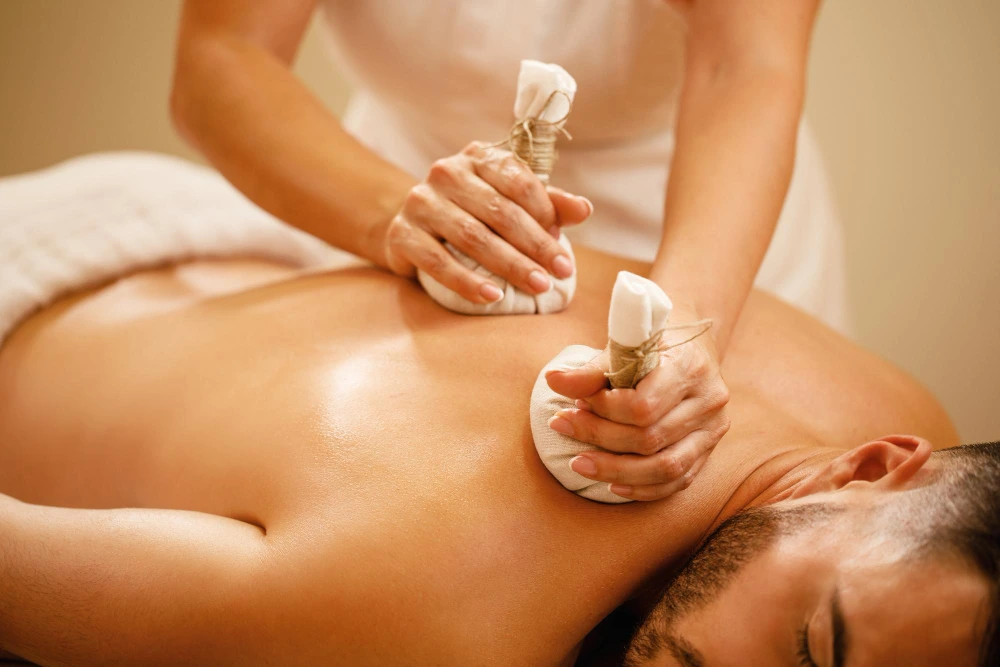
Panchakarma Treatment in Kerala includes several classical therapies particularly well-suited to spinal disorders:
Kati Basti
A therapeutic procedure where a dam of dough is formed over the lumbar spine and filled with warm medicated oil. This localised oil pooling deeply nourishes the lumbar vertebrae, discs, and surrounding musculature, making it a cornerstone therapy for lower back conditions.
Greeva Basti
The cervical equivalent of Kati Basti, this procedure focuses warm medicated oil on the neck region, supporting the cervical vertebrae and easing stiffness and nerve-related symptoms.
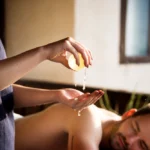
Abhyanga
Full-body medicated oil massage that pacifies Vata, improves circulation, and prepares the tissues for deeper therapeutic interventions.
Basti
Medicated enemas using herbal decoctions and oils are considered the most powerful Vata-pacifying therapy in Panchakarma. For spinal conditions, Basti works systemically to nourish the bone and nervous tissue from within.
Pizhichil
A profoundly nourishing therapy in which warm medicated oil is poured continuously over the body while gentle massage is performed. Particularly beneficial for neurological involvement and nerve-related pain.
Each of these therapies is selected and sequenced by the treating Ayurvedic physician based on the individual’s condition not applied as a generic protocol.
Ayurvedic Medicines and Herbal Support for Spine Health
Classical Ayurvedic formulations for spinal conditions are designed to nourish asthi and majja dhatus, pacify Vata, and support the integrity of the disc and connective tissue. Herbs and compound preparations traditionally associated with bone and nerve nourishment, reducing inflammatory processes, and supporting mobility are prescribed internally alongside external therapies.
The precise selection of internal medicines is the domain of the treating Ayurvedic physician. Self-medicating with Ayurvedic preparations for spinal conditions is not recommended the same herb can be indicated or contraindicated depending on the patient’s constitution and the stage of the condition.
When Is Neck or Back Pain More Than Normal Aging?
Not all back and neck pain is simply a sign of getting older. Certain symptoms are red flags that warrant prompt professional evaluation, regardless of age:
Radiating pain that travels from the neck into the arm and hand, or from the lower back into the leg and foot, suggests nerve root compression that needs assessment. Persistent numbness or tingling in the extremities that does not resolve with rest is a sign of ongoing nerve involvement. Progressive weakness in the arms or legs difficulty gripping objects, foot drop, or trouble climbing stairs indicates significant neurological impact. Bladder or bowel changes in association with back pain require immediate medical attention as they may indicate serious spinal cord compression. Pain that worsens at night, is unrelieved by any position, or is accompanied by unexplained weight loss also warrants investigation to rule out non-mechanical causes.
Recognising these warning signs early and seeking evaluation at a qualified Ayurveda Hospital in Kerala can make a meaningful difference in outcomes.
Can Ayurveda Help Avoid Surgery for Spondylosis or IVDP?
This is one of the most common questions asked by patients considering Ayurvedic care. The honest answer is: it depends on the severity of the condition and how early treatment begins.
For mild to moderate spondylosis and early-stage IVDP without significant neurological deficit, Ayurvedic treatment particularly a structured Panchakarma programme can provide substantial relief, support tissue recovery, and help restore function without surgical intervention. Many patients who pursue consistent Ayurvedic care at an appropriate stage report sustained improvement in pain, mobility, and quality of life.
However, where there is severe nerve compression, progressive neurological deficit, or structural instability that poses a risk to the spinal cord, surgery may be necessary. In these cases, Ayurveda can play a complementary role supporting recovery and preventing recurrence but should not substitute for timely surgical evaluation. Professional assessment is always the starting point.
Diet and Lifestyle Tips for Supporting Spine Health
Ayurveda places significant emphasis on diet and daily routine as the foundation of long-term spine health. From a dietary perspective, warm, nourishing, easily digestible foods that pacify Vata are recommended think cooked vegetables, whole grains, healthy fats like ghee and sesame oil, and warming spices. Cold, raw, dry, and processed foods tend to aggravate Vata and are best minimised.
Maintaining a healthy weight reduces mechanical load on the lumbar spine. Staying well-hydrated supports disc health. Eating at regular times and avoiding erratic meal patterns helps maintain dosha balance. Avoiding prolonged sitting without breaks and sleeping on a supportive surface that keeps the spine in a neutral alignment are simple but impactful lifestyle modifications.
Exercises and Habits That May Support Recovery
Gentle, regular movement is far more beneficial for spinal conditions than complete rest. Sustained immobility weakens the supporting muscles and can worsen stiffness. Yoga postures adapted for spinal conditions supervised by a qualified instructor familiar with the patient’s diagnosis can improve flexibility, strengthen the paraspinal muscles, and relieve nerve tension over time.
Ergonomic adjustments to workspaces, including monitor height, chair support, and keyboard positioning, can significantly reduce the cumulative strain that drives cervical spondylosis. Taking short standing or walking breaks every 30–45 minutes during desk work is a practical habit with measurable benefit.
Why Choose Kerala for Ayurvedic Treatment of Spine Disorders?
Kerala occupies a unique position in the Ayurvedic world. Its humid, cool climate is considered ideal for Vata-pacifying therapies, and the state is home to a living tradition of classical Ayurvedic practice that has been passed down through generations of vaidya families and formalised in institutional settings.
Kerala’s Panchakarma centres specialise in the kind of sustained, multi-week treatment programmes that spinal conditions genuinely require not abbreviated day-spa versions, but medically supervised residential care delivered by experienced practitioners using authentically prepared medicines. For patients seeking meaningful results from Ayurvedic treatment for spondylosis or IVDP, Kerala remains the most credible destination.
Conclusion
Spondylosis and IVDP are conditions that respond well to early, consistent, and holistic care. Ayurveda’s approach rooted in understanding the doshic imbalances underlying spinal degeneration, combined with targeted Panchakarma therapies, internal herbal support, and sustainable lifestyle changes offers a meaningful path toward long-term spine wellness rather than just temporary symptom relief.
The most important step is seeking a professional evaluation that accurately diagnoses the condition and its severity. From that foundation, an experienced Ayurvedic physician can design a programme genuinely suited to your needs. If you are exploring Ayurvedic care for a spinal condition, consider consulting with qualified practitioners at trusted BackToRoots of ayurveda where traditional knowledge and clinical experience come together in service of lasting recovery.
Frequently Asked Questions
What is the difference between spondylosis and IVDP?
Spondylosis refers to degenerative wear of the spinal vertebrae and joints over time, while IVDP (Intervertebral Disc Prolapse) is the herniation of disc material that compresses nearby nerves. Spondylosis is a gradual process; IVDP can occur more suddenly. Both can cause pain and neurological symptoms, and they sometimes coexist.
Can Ayurveda help with spondylosis naturally?
Yes. Ayurvedic treatment for spondylosis focuses on pacifying Vata dosha, nourishing the bone and nervous tissues, and reducing degeneration through Panchakarma therapies, herbal medicines, and lifestyle modifications. The extent of benefit depends on the stage of the condition and consistency of treatment.
What is IVDP treatment in Ayurveda?
Ayurvedic treatment for IVDP typically includes Panchakarma procedures such as Kati Basti, Basti, Abhyanga, and Pizhichil, combined with internally prescribed herbal formulations. The aim is to reduce nerve compression, nourish disc and connective tissues, and restore spinal function.
Is Panchakarma used for spinal disorders?
Yes. Panchakarma therapies particularly Kati Basti, Greeva Basti, Basti, and Pizhichil are among the most effective classical treatments for spinal conditions in Ayurveda. They are administered as part of a medically supervised programme tailored to each patient’s condition.
Can Ayurveda help avoid surgery for IVDP?
In mild to moderate cases without significant neurological deficit, consistent Ayurvedic treatment can provide substantial relief and may help avoid surgery. However, severe cases with progressive nerve damage or spinal cord compression require proper surgical evaluation. Early professional assessment is essential.