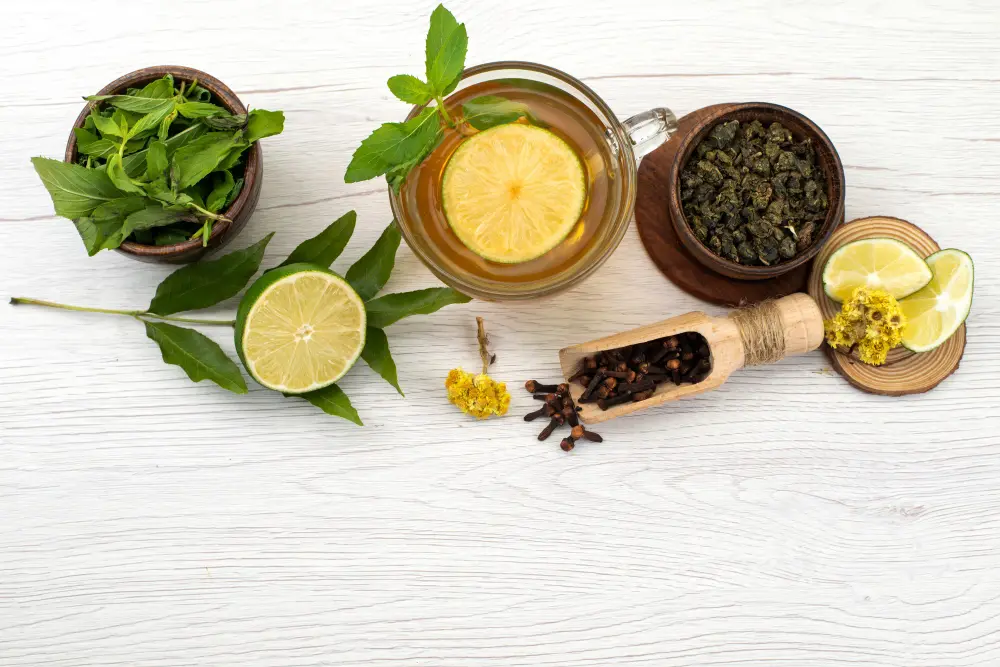

Your gut is more than simply a place to digest food; it’s the most important part of your health. Ayurveda, an ancient Indian system of medicine, says that the best way to stay healthy is to digest food well. Ayurveda has natural, proven ways to aid with problems like bloating and acidity, as well as long-term disorders like IBS and leaky gut. These methods don’t just get rid of the symptoms; they also get rid of the source.
Back to the Roots Ayurveda is a well-known Ayurvedic hospital in Kerala that can help you repair your gut naturally by sharing old secrets.
The Ayurvedic Perspective on Digestion
Ayurveda says that Agni, the fire that aids with digestion, controls digestion. A strong Agni makes sure that all three of these things perform well: digestion, absorption, and evacuation. Ama, or poisons, can build up when Agni is weak or out of balance. This might make it hard to digest meals.
Ayurveda splits digestive issues into groups depending on abnormalities in dosha:
- Vata-type digestion: Promotes internal cleaning and enhanced metabolism by gently eliminating toxins and excess Pitta from the liver and digestive tract.
- Pitta-type digestion: Acidity, heartburn, ulcers, loose motions
- Kapha-type digestion: Slow metabolism, heaviness, indigestion
The first step in Ayurvedic gut healing is to find your dosha. After then, you can bring everything back into balance by eating well, taking medicine, making adjustments to your lifestyle, and cleansing.

Ayurvedic Remedies for Common Digestive Disorders
Here are some of the greatest and most prevalent Ayurvedic treatments for digestive problems:
- Triphala – The Gut Cleanser
This classic blend of Haritaki, Bibhitaki, and Amalaki is a mild laxative, detoxifier, and gut healer. Eating it often makes bowel movements easier, helps the body absorb nutrients better, and decreases inflammation.
- Ginger – Ignite Your Agni
Ginger is a powerful Ayurvedic herb that helps with digestion by increasing digestive fire and relieving nausea and bloating. A cup of ginger tea before meals can work wonders.
- Fennel and Cumin – For Gas and Indigestion
Fennel and cumin seeds are useful for dealing with Vata digestive issues like gas and bloating. You can chew them after meals or boil them in water to make a tea that can calm you down.
- Buttermilk with Hing – Natural Probiotic
A glass of buttermilk with a pinch of asafoetida (hing) and rock salt helps balance the bacteria in your gut and lower acidity and gas.
- Licorice – Cooling Relief for Pitta Disorders
Licorice, also called Yashtimadhu, calms the lining of the gut and helps heal ulcers, acidity, and inflammation caused by Pitta imbalance.
Ayurvedic Diet Plan for Gut Healing
We at Back to Roots Ayurveda focus on restoring intestinal health with a personalized Ayurvedic diet that promotes your dosha type and strengthens Agni.
Ayurveda food ideas that are good for your gut:
- Eat meals that are warm, freshly produced, and easy to digest.
- Don’t eat foods that are cold, raw, or processed.
- Add ghee because it helps with digestion and keeps the intestines moving.
- Stick to regular meal times and don’t eat too much.
- Drink warm water all day long.
You can also effectively manage IBS, constipation, and acid reflux with a personalized Ayurvedic gut health plan.
Panchakarma – Detox and Rejuvenation for the Gut
Panchakarma therapy might be the answer if your gastrointestinal problems are long-lasting or very bad. This is a traditional five-step Ayurvedic detox program that we give at our Ayurvedic hospital in Kerala. It cleanses the body deeply and resets the digestive system.
Key Panchakarma treatments for digestive health:
- Virechana (purgation) – A detox therapy that cleans the liver and intestines by getting rid of extra Pitta and toxins in the body
- Basti (medicated enemas) – Balances Vata, eases constipation, and makes the colon stronger.
- Abhyanga (oil massage) – Helps cleanse pathways and gets the digestive system going
There is a strong connection between Ayurveda and gut microbiota health. Panchakarma helps reset and rebalance the gut flora by getting rid of toxins and making tissues new again.

Why Choose an Ayurvedic Resort in Kerala for Gut Health?
Kerala is the best site for profound healing because it is the home of real Ayurveda. When you pick Back to Roots Ayurveda, one of the best Ayurveda centers in Kerala, you get:
- Individualized care from certified Ayurvedic doctors
- Herbal medications that are organic and come from nearby areas
- A peaceful, soothing place in nature
- Kerala’s traditional Ayurvedic treatments are well known for their capacity to heal naturally
- Long-term gut health coaching for diet and lifestyle
Staying at our Ayurvedic resort in Kerala gives you the best of both worlds: the best of medicinal science and the peace you need to heal.
Conclusion: Your Gut Deserves Natural Healing
Your stomach is very important for controlling your energy levels, immune system, and emotional health. Don’t overlook the signals of imbalance; let Ayurveda help you go back to health.
At Back to Roots Ayurveda, our trained professionals use both traditional knowledge and personalized treatment to help you get over digestive problems and get back to normal. We’re here to help you organically, whether you have chronic gut problems or just want to improve your digestive health.
Learn about Ayurveda’s healing properties by visiting our real Ayurveda hospital near you. This is the first step toward a healthier, happier self.
FAQ
Which food is good for gut health Ayurveda?
Ayurveda claims that Agni, the digestive fire that keeps you healthy, lives in your stomach. Eating meals that are light, healthy, and help keep your doshas—Vata, Pitta, and Kapha—in balance is the greatest way to keep it strong.
Some Ayurvedic mainstays that are good for the gut are:
- Kichari, rice, and moong dal are all warm, prepared foods that are easy to stomach.
- Ghee is high in good fats, which calm the intestinal lining and help the body absorb nutrients.
- Eating fermented foods like homemade curd, lassi, and pickles (in moderation) is good for your gut flora.
- Cumin, ginger, fennel, and turmeric are all spices that help with digestion and reduce bloating.
- Amla, or Indian gooseberry, is good for your stomach lining and has antioxidants.
Ayurveda also says to eat in a tranquil place, stay away from foods that don’t go together, and pay attention to each bite.
Is Triphala good for gut health?
Amalaki, Bibhitaki, and Haritaki are the three fruits that make up triphala, a well-known Ayurvedic treatment that is especially good for intestinal health.
It acts as a mild, natural laxative, helps keep your digestive fire (Agni) in check, and even helps good gut bacteria flourish. It can help with problems like bloating, acidity, or IBS since it reduces inflammation and cleanses the body.
Triphala is often taken at night in the form of tablets or powder. It’s a good idea to talk to an Ayurvedic practitioner before you start to get the greatest outcomes.
How to improve gut bacteria in Ayurveda?
Ayurveda doesn’t use the term “gut microbiome,” but it does put a lot of emphasis on maintaining your digestion healthy and your body in balance. This is how it naturally helps beneficial gut bacteria:
- Eat meals that are fresh and in season, and stay away from processed or leftover food, which might generate toxins (Ama).
- Ghee, cooked bananas, barley, and buttermilk with cumin are all natural prebiotics and probiotics that you can enjoy.
- Spice your cuisine with coriander, cumin, and fennel. They maintain the health of your stomach and aid in food digestion.
- Triphala and Guduchi are two herbs that feed the gut lining and make it a good place for good bacteria to live.
- Yoga, meditation, and breathwork can help you relax. You must calm your mind in order to calm your stomach.
Eating thoughtfully, chewing properly, and not eating when you’re anxious are all simple habits that can help restore intestinal health.
How to clean the gut in Ayurveda?
Ayurveda says that cleaning the gut is the most important thing you can do to get your digestion and health back on track. The goal is to get rid of Ama, which are the toxins that build up over time.
Here are some mild and effective ways to help clear up your gut the Ayurvedic way:
- Panchakarma is a strong detox that includes treatments like Virechana (purgation) and Basti (enema) that are done by professionals in a licensed Ayurvedic center.
- Triphala: A daily dose can gently clean out the colon without hurting the healthy bacteria in the gut.
- Avipattikar churna, Hingvastak, and Trikatu are herbal combinations that can help get your digestive system going and get rid of pollutants.
- If you drink warm water with ghee on an empty stomach, it can naturally clean and lubricate your gut.
- Simple fasting or mono-diets, such eating only kichari for a day or two, are good for your gut since they give it a break.
Ayurveda says to undertake these cleanses when the seasons change to keep your digestion strong and your body in harmony.