
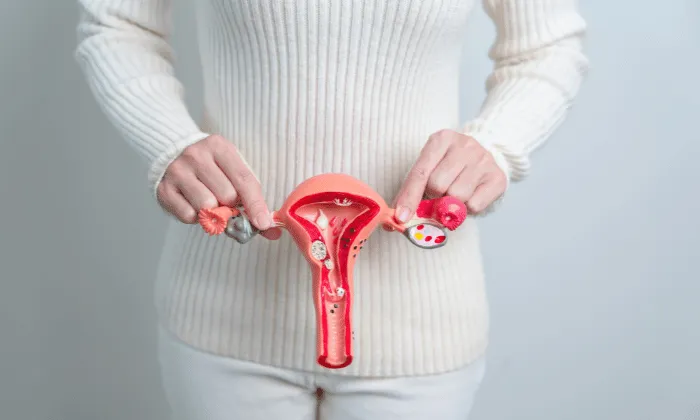
Ayurvedic treatment focuses on correcting the root cause by balancing doshas and restoring healthy uterine tissue through herbs, Panchakarma, and lifestyle changes.
Uterine fibroids are benign growths that develop in the muscular wall of the uterus and may cause heavy bleeding, pelvic pain, or remain completely symptomless in many women.
In Ayurveda, uterine fibroids are correlated with Garbhashaya Granthi, a condition caused by Kapha–Vata imbalance, toxin accumulation, and disturbance in tissue metabolism.
Uterine Fibroids in Ayurveda
Small nasal polyps may not cause issues, but larger growths can block the nasal passages, leading to breathing difficulties, loss of sense of smell, and frequent infections. The symptoms of nasal polyps include:
Common Causes of Fibroids
The exact cause of fibroids is not fully understood, but several factors contribute to their development:
Growth factors: Substances like insulin-like growth factors may support the development and enlargement of fibroids.
Genetic factors: Changes in certain genes may lead to abnormal growth of uterine muscle cells.
Hormonal influence: Estrogen and progesterone, the hormones responsible for regulating the menstrual cycle, can promote the growth of fibroids. Fibroids have more receptors for these hormones compared to normal uterine tissue, making them grow more easily.
Extracellular matrix: A supportive material between cells is found in higher amounts in fibroids, making them firm and helping retain growth signals.
Risk Factors for Developing Uterine Fibroids
Certain factors increase the likelihood of developing fibroids:
- Family history of fibroids
- Obesity or high body mass index
- Women in their 30s and 40s
- Diet high in red meat and low in vegetables
- Women who have never given birth
- Early onset of menstruation
- Late menopause
Read more: Ayurvedic Treatment for Anxiety
Uterine Fibroid Symptoms to Watch For
Most Common Symptoms
- Uterine fibroids may present with the following symptoms:
- Chronic vaginal discharge
- Heavy or prolonged menstrual bleeding
- Bleeding between periods
- Pelvic pain or pressure
- Frequent urination or difficulty passing urine
- Constipation or difficulty with bowel movements
- Pain during intercourse
Silent Fibroids
Silent uterine fibroids are asymptomatic growths that do not cause pain or heavy bleeding. They are often detected incidentally during scans or routine checkups. These fibroids usually shrink after menopause and may not require active treatment unless they increase in size or cause complications.
Ayurvedic View: Why Fibroids Develop
According to Ayurveda, uterine fibroids develop due to the imbalance of Kapha and Vata doshas. Weak digestion (Mandagni) leads to the formation of Ama (toxins), which accumulates in the body. This toxic accumulation, along with aggravated doshas, affects Rasa, Rakta, Mamsa, and Meda dhatus, resulting in abnormal tissue growth within the uterus.
Contributing factors include sedentary lifestyle, processed and heavy diet, suppression of natural urges, and chronic stress, all of which disturb hormonal balance and tissue health.
Read more: Benefits of Drinking Water in a Copper Vessel
Effective Ayurvedic Medicine for Uterine Fibroid
Ayurvedic medicines for uterine fibroids aim to balance hormones, detoxify the body, and support healthy uterine function. At Back to Roots Ayurveda, these medicines are prescribed based on an individual’s body constitution (Prakriti), severity of the condition, and associated symptoms.
Commonly Used Ayurvedic Herbs
- Kanchanara Guggulu: Helps reduce fibroid size and balances Kapha-Vata doshas
- Ashoka: Helps reduce heavy bleeding and regulates menstrual cycle
- Lodhra: Helps reduce inflammation and balance Kapha dosha
- Shatavari: Nourishes reproductive tissues and supports fertility
- Dashmoolarishta: Strengthens pelvic organs
Disclaimer: Ayurvedic medicines should always be taken under the guidance of a qualified practitioner, as treatment is personalized based on individual constitution (Prakriti) and symptoms.
Benefits of Ayurvedic Medicines
- Support fertility and overall reproductive health
- Detoxify accumulated toxins
- Balance aggravated doshas
- Improve muscle tissue metabolism (Mamsa Dhatu)
- Strengthen the uterus and reproductive system
- Reduce the symptoms
Read more: Ayurvedic Treatment for Insomnia
Panchakarma for Uterine Fibroids Natural Treatment
Panchakarma therapies play an important role in managing fibroids by eliminating toxins and restoring dosha balance.
Key Panchakarma Therapies
- Virechana (Therapeutic Purgation): Eliminates excess Pitta and toxins from the body
- Basti (Medicated Enema): Balances Vata and strengthens reproductive organs
- Uttara Basti: A specialized therapy for uterine disorders administered through the vaginal route
- Abhyanga and Swedana: Improve circulation, reduce inflammation, and support detoxification
These therapies are selected based on individual assessment and condition severity.
Read more: Ayurvedic Treatment for Insomnia
Book your consultation today to explore Ayurveda treatments in Kerala.
Diet & Lifestyle: How to Treat Uterine Fibroids Naturally
Diet and lifestyle play a central role in managing fibroids and preventing recurrence.
Foods to Include
- Whole grains such as millets, oats, and barley
- Legumes and dals
- Leafy green vegetables
- Fruits like pomegranate and figs
- Spices such as turmeric, cumin, and coriander
Foods to Avoid
- Fried and oily foods
- Excess dairy
- Refined sugar
- Processed foods
- Frequent consumption of red meat
Lifestyle Tips
- Maintain a consistent daily routine
- Practice yoga and gentle exercise
- Manage stress through meditation
- Ensure adequate sleep
Read more: Top Ayurvedic Hospitals in Kerala
Conclusion
Uterine fibroids can affect quality of life when symptoms become persistent or severe. Ayurveda offers a natural and holistic approach that focuses on addressing the root cause rather than only managing symptoms.
At Back to Roots Ayurveda, leading Ayurvedic retreat in Kerala, fibroids are treated using time-tested therapies, personalized care, and authentic Kerala Panchakarma practices. Ayurvedic treatment for uterine fibroids supports gradual reduction in fibroid size, improves symptoms, and enhances overall reproductive health.
Book your consultation today to explore Ayurveda treatments in Kerala.
FAQs
- Can Ayurveda completely cure uterine fibroids?
Ayurveda helps manage fibroids by correcting dosha imbalance, reducing growth, and improving symptoms. Long-term results depend on consistent treatment and lifestyle changes.
- Which is the best ayurvedic medicine for uterine fibroid?
Commonly used medicines for uterine fibroid include Kanchanara Guggulu, Ashoka, Lodhra, and Shatavari. However, the best medicine varies based on individual condition and should be prescribed by a doctor.
- How long does Ayurvedic treatment take?
Mild cases may show improvement within a few weeks, while chronic cases may require several months of consistent treatment.
- Is Panchakarma necessary for fibroid treatment?
Panchakarma is recommended in moderate to severe or chronic cases to remove deep-rooted toxins. Mild cases may improve with medicines and lifestyle correction alone.
- Is Kerala good for fibroid treatment in Ayurveda?
Kerala is known for authentic Panchakarma therapies and traditional Ayurvedic practices, making it a preferred destination for holistic fibroid management.
Educational Disclaimer: This article is for educational purposes only and does not replace medical advice. Treatment results may vary. Please consult a qualified Ayurvedic doctor or healthcare professional before starting any treatment.