Key Takeaways
- Gallstones are hard deposits that form in the gallbladder and may cause pain and digestive discomfort.
- In Ayurveda, gallstones are linked to imbalances in Pitta and Kapha doshas affecting bile metabolism.
- Ayurvedic management focuses on improving digestion, balancing doshas, supporting liver function, and reducing the risk of recurrence.
What Are Gallstones According to Ayurveda?
Gallstones are solid crystalline deposits that form inside the gallbladder (a small, pear-shaped organ located beneath the liver that stores and concentrates bile). The size of gallstones can vary from tiny sand-like particles to larger stones.
Some individuals may have gallstones without symptoms. However, when a stone blocks a bile duct, it can cause intense abdominal pain (biliary colic) and other complications.
In Ayurveda, gallstones are understood under the concept of Pittashmari, meaning “stones formed from bile.” The condition develops when aggravated Pitta dosha combines with vitiated Kapha dosha, creating the perfect environment for stone crystallization. Vitiated Kapha dosha mixes with the Pitta dosha in the gallbladder (known as Pittashaya), leading to thickened, viscous material, which is then dried by Vata Dosha to form solid stones.
Types of Gallstones
Gallstones are commonly classified based on their composition:
- Cholesterol Stones: The most common type. These form when bile contains excess cholesterol that cannot remain dissolved.
- Pigment Stones: Smaller, darker stones made primarily of bilirubin. These develop when bile contains excess bilirubin due to liver disorders, blood conditions, or chronic infections.
Causes of Gallstones in Ayurveda
According to Ayurveda, gallstone formation is primarily linked to impaired digestion, dosha imbalance, and unhealthy lifestyle habits. The key contributing factors include:
- Weak Digestive Fire (Agnimandya): When digestive fire (Agni) becomes weak, food is not properly metabolised. This leads to the accumulation of metabolic toxins (Ama), which can impair bile quality and promote stone formation.
- Excess Pitta Aggravation: Pitta governs bile production and metabolism. Excess intake of spicy, oily, fried, and processed foods aggravates Pitta, increasing bile concentration and creating conditions favourable for stone formation.
- Kapha Imbalance: Kapha aggravation, often caused by sedentary habits and heavy meals, leads to stagnation and thickening of bile. This may initially form sludge, which can later develop into stones.
- Unhealthy Eating Patterns: Irregular eating habits such as skipping meals, overeating, or frequent consumption of junk and processed foods disturb digestive balance and increase the risk of gallstone formation.
- Sedentary Lifestyle: Lack of physical activity slows metabolism and bile flow, increasing the risk of crystallisation.
- Obesity and Hormonal Factors: Excess body weight and hormonal fluctuations, especially in women, can increase cholesterol levels in bile.
- Stress and Emotional Imbalance: Chronic stress and anxiety affect liver function and digestion, indirectly contributing to metabolic imbalance.
Symptoms of Gallstones
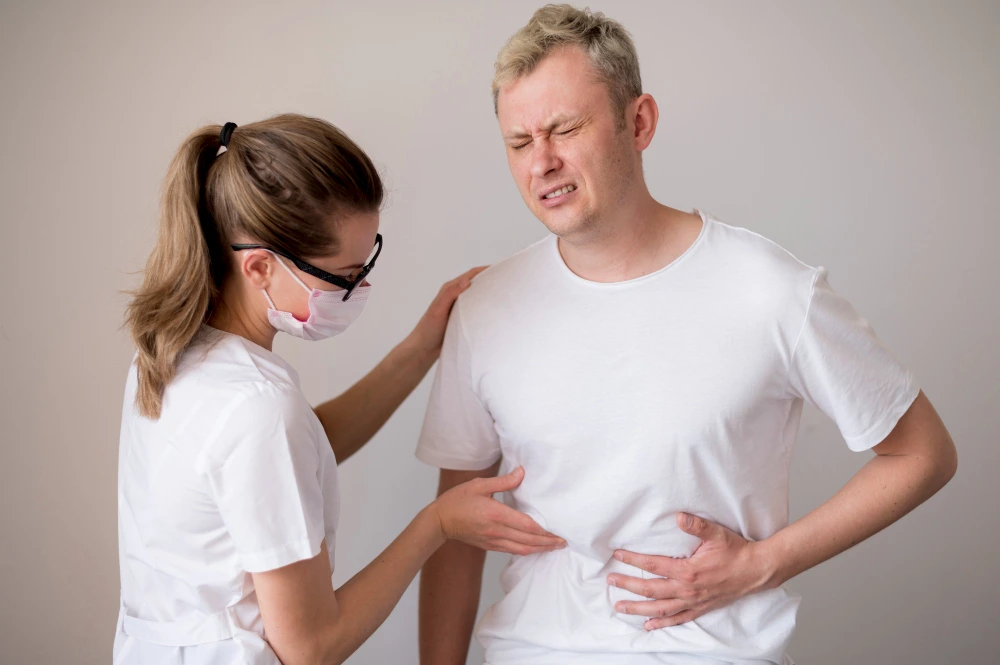
Gallstones often remain silent and may not cause any noticeable symptoms. However, when a stone becomes lodged in a bile duct and obstructs the normal flow of bile, symptoms begin to appear. The most common signs include pain in the upper abdomen and nausea. These symptoms may occur intermittently or persist continuously.
If blockage persists, additional symptoms may occur:
- Excessive sweating
- Fever
- Rapid heartbeat
- Abdominal swelling and tenderness
- Yellowing of the skin and eyes (jaundice)
- Dark-coloured urine
- Pale or clay-coloured stools
These symptoms indicate that bile flow is significantly affected and require prompt medical attention.
If you experience these symptoms, particularly severe pain, jaundice, or fever, seeking evaluation at our Ayurvedic retreat in Kerala ensures comprehensive assessment and appropriate intervention to prevent complications.
Ayurvedic Treatment for Gallstones
At Back to Roots Ayurveda, the diagnosis of gallstones is done using a holistic and personalised approach. The physician evaluates your Prakriti (body constitution), performs Nadi Pariksha (pulse examination), and conducts a gentle abdominal examination. A detailed history of your diet, lifestyle, and symptoms is also taken to identify the root cause and dosha imbalance. This helps determine the most suitable Ayurvedic treatment for gallstones, rather than only addressing the symptoms.
Ayurvedic treatment for gall stones gradually helps break down or reduce the gallstones (Ashmari Bhedana), improve the flow of bile (Pittavirechana), and strengthen digestion so that toxins do not accumulate (Deepana-Pachana). It also supports and rejuvenates the liver and gallbladder for better long-term function (Yakrit Prasadana). Through a combination of herbal medicines, therapeutic procedures, proper diet, and healthy lifestyle changes, the treatment helps manage existing gallstones but also improves digestion and reduces the chances of future stone formation.
Ayurvedic Medicines for Gallstones
Ayurveda uses natural herbs to help reduce gallstones, improve liver function, and support healthy bile flow. These herbs work gently to cleanse the liver, strengthen digestion, and prevent further stone formation.
- Kutki: Supports liver detoxification and bile secretion
- Bhumyamalaki: Known for its hepatoprotective properties, this herb helps break down stones naturally. It also improves liver function and supports proper bile flow.
- Punarnava: Punarnava helps reduce swelling and supports the proper flow of bile. It also promotes overall liver and kidney health.
- Kalmegh:Kalmegh is a potent herb that detoxifies the liver and supports its normal function. It also helps protect against infections and improves digestive health.
Common Ayurvedic Formulations:
- Arogyavardhini Vati
- Chandraprabha Vati
- Punarnavadi Guggulu
- Gokshuradi Guggulu
- Avipattikar Churna
Disclaimer: Always take Ayurvedic medicines under the guidance of a qualified practitioner. The dosage and combination of herbs depend on your individual constitution, size of stones, and overall health condition.
Read more: Benefits of Drinking Water in a Copper Vessel
Panchakarma Therapies for Gallstones
Panchakarma therapies play an important role in Ayurvedic treatment for gallstones. These procedures help remove toxins, balance the doshas, and improve liver and gallbladder function.
- Virechana (Medicated Purgation)
Virechana is a cleansing therapy that helps eliminate excess Pitta dosha from the body. It uses specially selected herbal medicines to promote gentle purgation. This helps cleanse the liver, improve bile flow, and restore internal balance.
- Avagaha Sweda (Medicated Sitz Bath)
In this therapy, medicated oil is applied to the abdominal area, followed by sitting in a warm herbal bath for a specific duration. This helps relax the abdominal region, improve circulation, cleanse the body channels, and support dosha balance.
- Abhyanga (Therapeutic Oil Massage)
A gentle oil massage over the abdomen helps reduce discomfort, improve circulation, and balance Vata dosha. It also supports the proper functioning of digestive organs.
- Swedana (Herbal Fomentation)
Swedana involves applying controlled heat using herbal steam or warm compresses. This helps open the body channels, improve circulation, remove toxins, and restore dosha balance.
These Panchakarma therapies support the body’s natural cleansing process and enhance the effectiveness of Ayurvedic treatment for gallstones.
Read more: Ayurvedic Treatment for Insomnia
Best Ayurvedic Treatment for Gallstones in Kerala
Kerala is known worldwide as the home of authentic Ayurveda. At Back to Roots Ayurveda, we offer the best Ayurvedic treatment for gallstones using traditional methods passed down through generations. Our approach is personalized, natural, and focused on your complete healing.
Why Choose Back to Roots Ayurveda?
- Expert Practitioners: Our experienced Ayurvedic doctors carefully assess your condition, body type, and lifestyle before creating a personalized treatment plan. We do not believe in one-size-fits-all solutions.
- Authentic Panchakarma: We follow traditional Panchakarma methods exactly as described in ancient texts. Our therapies are gentle yet powerful, conducted by trained therapists in a peaceful environment.
- Pure Herbal Medicines: All our medicines are prepared using high-quality, organic herbs. We ensure purity and potency in every formulation.
- Holistic Care: Beyond treating gallstones, we address your overall health. We help with diet, lifestyle, stress management, and prevention strategies for long-term wellness.
- Peaceful Setting: Our center provides a calm, natural environment perfect for healing. The tranquil atmosphere of Kerala enhances the therapeutic effects of treatments.
Our Treatment Process:
- Initial Consultation: Detailed assessment of your symptoms, medical history, and dosha constitution.
- Diagnosis: Understanding the size, location, and type of gallstones through examination and reports.
- Customized Treatment Plan: Creating a specific plan that may include herbs, diet changes, Panchakarma therapies, and lifestyle modifications.
- Treatment Phase: Implementing the treatment plan with regular monitoring and adjustments as needed.
- Follow-up Care: Continued support and guidance even after treatment completion to prevent recurrence.
Conclusion
Ayurveda offers a safe, natural, and effective alternative that treats the root cause while dissolving stones and preventing new ones from forming. Through proper diet, herbal medicines, Panchakarma therapies, and lifestyle changes, you can heal your gallbladder naturally.
Our personalized Ayurvedic cure for gallstones focuses on your unique needs, body type, and health goals. We combine ancient wisdom with modern understanding to give you the best possible care.
Whether you have been recently diagnosed with gallstones or have been suffering for years, there is hope for natural healing. Our experienced team is ready to guide you through your healing journey with compassion and expertise.
Do not let gallstones control your life. Contact Back to Roots Ayurveda to schedule your consultation
FAQs
- Can Ayurveda completely cure gallstones?
Ayurveda may help manage symptoms and support reduction in small stones in selected cases. Outcomes depend on stone size, composition, and overall health. Larger or complicated stones may require surgical intervention.
- How long does Ayurvedic treatment for gallstones take?
The duration varies based on the size and number of stones. Generally, you may start feeling better within 2-4 weeks as symptoms reduce. Small stones may dissolve in 3-6 months with consistent treatment. Larger stones may take 6-12 months or longer. Panchakarma therapy typically lasts 2-3 weeks and provides significant relief.
- Is Ayurvedic medicine safe for gallstones?
Yes, Ayurvedic medicine for gallstones is very safe when taken under proper guidance. It is important to take medicines prescribed by a qualified Ayurvedic practitioner who can assess your individual condition. Self-medication is not recommended. Also, inform your Ayurvedic doctor about any other medications you are taking to avoid interactions.
- Can gallstones be dissolved naturally with Ayurveda?
Gallstones can be dissolved naturally through Ayurvedic treatment. Specific herbs like Bhumi Amla, Punarnava, and Kasni have stone-dissolving properties. Combined with Virechana therapy and dietary changes, these herbs gradually break down stones. The bile becomes less concentrated, preventing new stone formation.
- Who should avoid Ayurvedic treatment for gallstones?
While Ayurvedic treatment is safe for most people, certain situations require immediate medical attention rather than natural treatment alone. You should seek conventional medical care if you have: very large stones (over 3 cm), acute cholecystitis, bile duct obstruction with jaundice, pancreatitis caused by gallstones, or persistent severe pain and vomiting. Pregnant women should consult both their obstetrician and Ayurvedic doctor before starting treatment. In these cases, Ayurveda can still be used as supportive therapy alongside conventional treatment. Always inform your Ayurvedic practitioner about your complete medical history for safe and effective treatment.