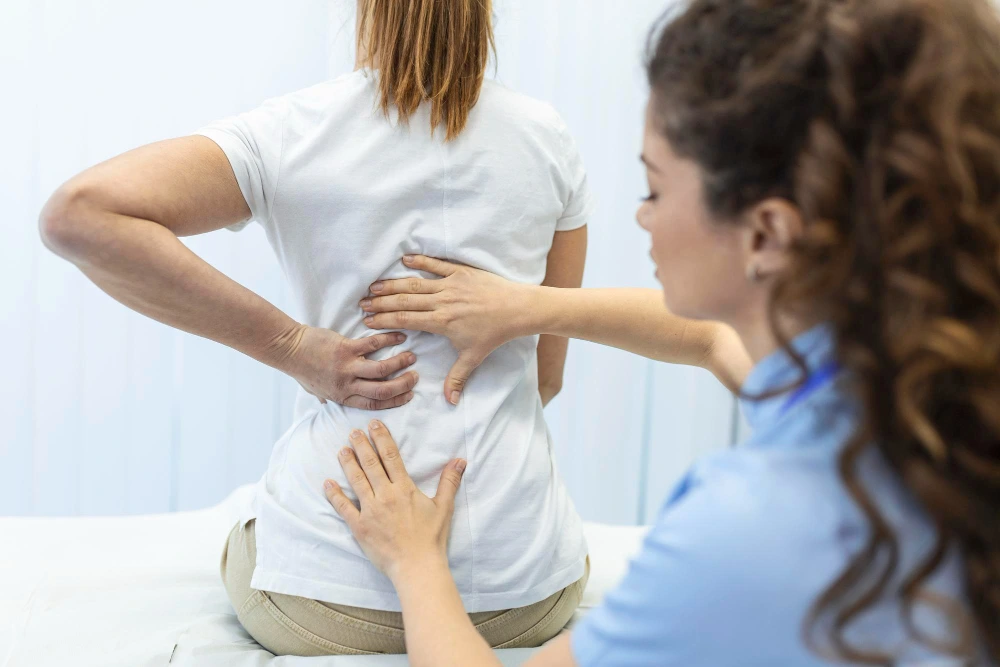
Back pain that travels down the leg. Difficulty bending, sitting, or standing for long periods. Numbness, tingling, or weakness in the legs. These are some of the common symptoms experienced by people with a slip disc.
A slip disc can affect daily life in many ways. Simple activities such as walking, working, driving, or even sleeping can become uncomfortable. While surgery may be recommended in some severe cases, many people look for natural ways to manage pain and support recovery.
Ayurveda offers a holistic approach to spinal health through therapies, herbal support, lifestyle changes, and Panchakarma treatments. The goal is not only to reduce pain but also to improve mobility, strengthen the body, and support long-term wellness.
What Is a Slip Disc?
A slip disc, also known as a herniated disc or prolapsed disc, occurs when one of the soft discs between the spinal bones moves out of place or bulges. These discs act as cushions that absorb shock and allow the spine to move smoothly.
When a disc slips or bulges, it can press on nearby nerves, causing pain and other symptoms.
People at higher risk include:
- Individuals above 40 years of age
- People with poor posture
- Office workers who sit for long hours
- Those who regularly lift heavy objects
- Individuals who are overweight
- People with physically demanding jobs
Symptoms of a Slip Disc
Symptoms can vary depending on which part of the spine is affected.
Common symptoms include:
- Lower back pain
- Neck pain
- Pain that travels down the leg (sciatica)
- Pain radiating into the arm
- Numbness or tingling sensations
- Muscle weakness
- Difficulty walking or standing for long periods
- Reduced flexibility and movement
In severe cases, bladder or bowel problems may occur and require immediate medical attention.
What Causes a Slip Disc?
Several factors can contribute to the development of a slip disc.
Aging
As we age, spinal discs lose moisture and become less flexible. This makes them more prone to damage.
Poor Posture
Sitting with poor posture for long periods puts extra pressure on the spine.
Heavy Lifting
Incorrect lifting techniques can strain the spine and increase the risk of disc injury.
Sedentary Lifestyle
Weak muscles around the spine provide less support, increasing stress on spinal discs.
Sudden Injuries
Falls, accidents, or sudden twisting movements can sometimes cause a disc to slip.
Slip Disc vs IVDP: Are They the Same Condition?
Many people hear the terms “Slip Disc” and “IVDP” and assume they are different conditions. In reality, they usually refer to the same problem.
IVDP stands for Intervertebral Disc Prolapse. It is the medical term used when a spinal disc bulges or moves out of place and presses on nearby nerves.
“Slip Disc” is the common term used by patients, while IVDP is the medical terminology often used by healthcare professionals.
Because both terms describe a similar condition, patients frequently become confused when reading reports or discussing treatment options.
How Does Ayurveda Understand Slip Disc Problems?
According to Ayurveda, spinal health is closely connected to Vata Dosha. Vata controls movement, flexibility, and nervous system functions.
When Vata becomes imbalanced, it can lead to dryness, weakness, pain, and degeneration in the body’s tissues.
In the case of a slip disc, Ayurveda believes that weakened tissues and aggravated Vata can affect the spine and surrounding nerves.
Instead of focusing only on pain relief, Ayurveda aims to address the underlying imbalance and support the body’s natural healing process.
Slip Disc Treatment in Ayurveda
Slip disc treatment in Ayurveda focuses on reducing pain, improving mobility, nourishing tissues, and supporting spinal health.
Treatment plans are customized based on:
- The patient’s age
- Severity of symptoms
- Overall health condition
- Dosha imbalance
- Duration of the problem
Ayurvedic treatment may include:
- Panchakarma therapies
- Herbal medicines
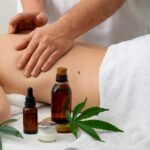
- Medicated oils
- Diet modifications
- Lifestyle guidance
- Gentle exercises
The goal is to support recovery while helping patients manage discomfort naturally.
Panchakarma Therapies Used in Ayurvedic Support for Slip Disc
Kati Basti
Kati Basti is one of the most popular Ayurvedic treatments for lower back problems. Warm medicated oil is retained over the affected area to help reduce stiffness and discomfort.
Abhyanga
Abhyanga is a full-body massage using herbal oils. It helps improve circulation, relax muscles, and support overall well-being.
Pizhichil
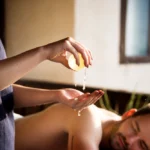
Pizhichil involves pouring warm medicated oil over the body while performing gentle massage. It is often used to support nerve and joint health.
Basti Therapy
Basti is considered one of the most effective therapies for balancing Vata Dosha. It uses medicated oils and herbal preparations under professional supervision.
Other Supportive Therapies
Depending on the individual’s condition, other therapies may also be recommended as part of a personalized treatment plan.
Can Ayurveda Help Avoid Surgery for Slip Disc?
This is one of the most common questions asked by patients.
The answer depends on the severity of the condition.
In mild to moderate cases, early Ayurvedic intervention combined with Panchakarma therapies, lifestyle changes, and medical guidance may help reduce symptoms, improve mobility, and support recovery.
Many patients seek Ayurvedic Treatment in Kerala as a natural option before considering surgery.
However, severe cases involving significant nerve compression, progressive weakness, or serious neurological symptoms may require surgical evaluation.
A proper medical assessment is always important before choosing a treatment plan.
Diet and Lifestyle Tips for Supporting Spine Health
Healthy habits play an important role in spinal wellness.
Helpful dietary practices include:
- Eating warm, freshly prepared foods
- Including healthy fats such as ghee and sesame oil
- Staying hydrated
- Maintaining regular meal times
Foods to limit include:
- Highly processed foods
- Excessively cold foods and drinks
- Deep-fried foods
- Excess junk food
Lifestyle recommendations include:
- Maintaining a healthy body weight
- Avoiding prolonged sitting
- Taking regular movement breaks
- Sleeping on a supportive mattress
Exercises and Daily Habits to Protect the Spine
Regular movement can help support spinal health.
Helpful habits include:
- Daily walking
- Gentle stretching
- Yoga under professional guidance
- Maintaining proper posture
- Using ergonomic furniture
- Taking breaks during desk work
Avoid sudden twisting movements and lifting heavy objects without proper technique.
When Should You Seek Professional Help?
Consult a healthcare professional if you experience:
- Severe back or neck pain
- Pain radiating down the arms or legs
- Persistent numbness or tingling
- Muscle weakness
- Difficulty walking
- Loss of bladder or bowel control
Early diagnosis can help prevent complications and improve treatment outcomes.
Conclusion
A slip disc can significantly affect daily life, causing pain, restricted movement, and discomfort. Ayurveda offers a holistic approach that focuses on balancing the body, supporting spinal health, and promoting long-term wellness rather than simply masking symptoms.
Through personalized care, Panchakarma therapies, herbal support, healthy diet, and lifestyle changes, many individuals find relief and improved quality of life. If you are considering natural treatment options, consulting our experienced team of BackToRoots of ayurveda can help you understand the most suitable approach for your condition.
Frequently Asked Questions
Can Ayurveda help treat slip disc naturally?
Ayurveda uses therapies, herbal medicines, lifestyle modifications, and Panchakarma treatments to support pain management and spinal wellness naturally.
Which Ayurvedic therapies are used for slip disc?
Common therapies include Kati Basti, Abhyanga, Pizhichil, and Basti therapy.
Is Panchakarma helpful for slip disc support?
Panchakarma for slip disc is commonly used to support Vata balance, improve circulation, and promote overall spinal health.
Can slip disc heal without surgery?
Some mild to moderate cases may improve with conservative treatment, proper care, and professional guidance. Severe cases may require surgical evaluation.
What lifestyle changes support slip disc recovery?
Maintaining good posture, staying active, avoiding heavy lifting, eating a healthy diet, and following medical advice can support recovery and long-term spinal health.