Heel pain is one of the most common complaints treated in orthopedic and general practice. For many, the pain is most excruciating with the first few steps in the morning, often described as a sharp, piercing sensation. While conventional treatments often rely on painkillers, steroid injections, or orthotics to manage symptoms, Ayurveda offers a holistic and root-cause-oriented approach to heel pain management by addressing doshic imbalance and tissue nourishment.
This blog explores the Ayurvedic treatment for heel pain, its causes, symptoms, therapeutic interventions, and why Kerala is considered a preferred destination for authentic Ayurvedic care.
Key Takeaways
- Heel pain is commonly associated with plantar fasciitis, heel spur, overweight, and prolonged standing or walking.
- Ayurveda views heel pain as a disorder of aggravated Vata affecting bones, joints, and connective tissues.
- Ayurvedic treatment for heel pain focuses on internal formulations, external therapies, and lifestyle correction.
- Early intervention helps prevent chronic pain and structural degeneration.
- Kerala offers traditional, therapy-oriented Ayurvedic treatment protocols under expert supervision.
What Is Heel Pain and Why It Occurs
Heel pain refers to discomfort or tenderness at the bottom or back of the heel, affecting daily activities, including walking or standing. It can affect routine movements and reduce quality of life. Common causes of heel pain include:
- Overuse or repetitive stress on the foot
- Running too often or prolonged standing on hard surfaces
- Obesity or weight gain
- Improper footwear with poor arch support
- Age-related degeneration of ligaments and fascia
- Inflammatory conditions such as plantar fasciitis
- Calcaneal spur
- Sports injuries, poor circulation, and nerve entrapment
Ayurvedic Explanation of Heel Pain (Vata Dosha)
In Ayurveda, heel pain is linked to the imbalance of Vata dosha in the foot region. Excessive walking, strain, cold exposure, or improper daily routines can disturb Vata dosha.
Aggravated Vata leads to:
- Dryness and stiffness of ligaments
- Degeneration of bone tissue
- Reduced lubrication of joints
- Pain, cracking, and restricted movements
Classical Ayurvedic texts associate heel pain conditions with disorders such as Vatakankataka, described as pain in the heel caused by aggravation of Vata dosha due to walking on uneven ground, overexertion, excessive walking, and trauma or injury to the heel.
Read more: Ayurvedic Treatment for Anxiety
Difference Between Heel Pain, Plantar Fasciitis, and Heel Spur
While these terms are often used interchangeably, there are distinct differences:
- Heel pain: A general symptom that can be caused by various factors, including bruises, stress fractures, or nerve entrapment.
- Plantar fasciitis: The inflammation of the plantar fascia tissue. This is the most common cause of heel pain.
- Heel spur: A calcium deposit causing a bony protrusion on the underside of the heel bone due to chronic traction and stress.
Ayurveda does not treat these as isolated conditions but addresses the underlying Vata imbalances.
Early Symptoms You Should Not Ignore
Ignoring early symptoms may lead to chronic pain and restriction of movements. Watch out for:
- A sharp, piercing, localized pain in the heel while standing or walking.
- Pain and stiffness in the morning; however, movements may relieve the condition during the day.
- Swelling or inflammation is indicative of primary conditions, including plantar fasciitis or calcaneal spur.
- Pain becomes worse once bearing weight.
- The pain radiates to the arch of the foot or ankle.
Ayurvedic Treatment for Heel Pain
Ayurvedic treatment for heel pain is individualized and focuses on pacifying Vata dosha while strengthening supportive tissues.
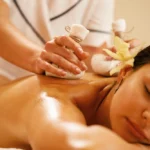
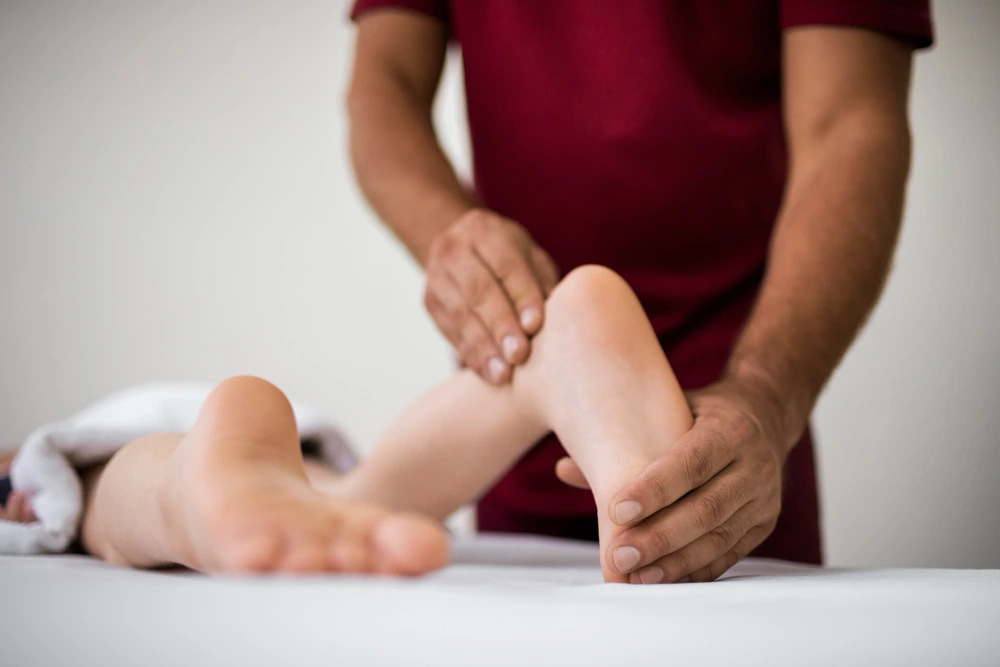
- Abhyanga: Massaging the heels with warm oils, including Mahanarayana Thaila or Murivenna, helps lubricate the tissues, improves circulation, and reduces Vata.
- Ishtika Sweda: This is a specific and highly effective treatment for Vatakankataka. A brick is heated until red hot and then doused with a fermented liquid like dhanyamla or dasamoola decoction. The patient’s foot is then exposed to the steam generated. This localized heat therapy penetrates deep into the tissues to relieve pain and stiffness immediately.
- Agni Karma: For chronic cases, especially heel spur Ayurvedic treatment, Agni Karma is often recommended. This involves the precise application of heat to specific points on the heel using a specialized instrument (Shalaka). It provides instant relief by resetting local pain pathways and reducing inflammation.
- Ksheera Dhara or Taila Dhara: Continuous pouring of warm medicated liquids over the feet to calm Vata.
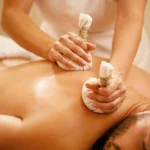
- Upanaha Sweda: Herbal poultice application to reduce inflammation.
Read more: Benefits of Drinking Water in a Copper Vessel
Ayurvedic Medicines for Heel Pain and Plantar Fasciitis
Common Ayurvedic medicines for heel pain include:
- Yogaraja Guggulu: A classic formulation for Vata disorders affecting the joints and bones.
- Kaishora Guggulu: Often used when there is inflammation and redness.
- Dashamoolarishta: Helps strengthen the nervous system and reduce pain.
- Gandha Thailam: Taken internally or externally to strengthen bones and ligaments.
- External oil applications include Mahanarayana Thaila, Murivenna, and Kottamchukkadi Thaila.
Note: Always consult a qualified Ayurvedic physician before starting any Ayurvedic treatments and formulations.
Why Choose Ayurvedic Treatment in Kerala
Kerala is often regarded as the cradle of authentic Ayurveda. Taking an Ayurvedic treatment in Kerala offers benefits, including:
- Availability of classical Panchakarma therapies
- Experienced physicians and therapists
- Use of authentic herbal formulations and oils
- Individualized therapy based healing rather than symptom suppression
Read more: Ayurvedic Treatment for Insomnia
Conclusion
Ayurvedic treatment for heel pain offers a holistic and non-invasive solution by addressing the root cause rather than merely suppressing symptoms. By correcting Vata imbalance, nourishing tissues, and improving muscle strength, Ayurveda helps achieve long-term relief from heel pain, plantar fasciitis, and heel spur conditions. By combining external therapies with potent Ayurvedic medicine for plantar fasciitis, you can heal your feet naturally and walk pain-free.
Book your consultation today at Back to Roots Ayurveda, one of the leading Ayurvedic retreats in Kerala.
FAQs
1. Is Ayurvedic treatment effective for heel pain?
Yes, Ayurveda is highly effective for heel pain. It addresses the root cause, usually Vata aggravation, using therapies such as oil massage and brick fomentation (Ishtika Sweda) to provide long-term relief.
2. Can Ayurveda cure plantar fasciitis naturally?
Ayurvedic treatment for plantar fasciitis utilizes anti-inflammatory herbs and external heat therapies to reduce inflammation in the fascia.
3. How long does Ayurvedic treatment take to show results?
Acute cases may see relief within 1 to 2 weeks of external therapy. Chronic cases, such as those with calcified heel spurs, may require 3 to 6 weeks of consistent internal and external therapies.
4. Is a heel spur treatable in Ayurveda?
Yes, heel spur Ayurvedic treatment involves therapies such as Agni Karma (thermal cautery) and Swedana to manage pain and distress caused by the spur.
5. Are Ayurvedic treatments safe for long-term use?
When prescribed by a qualified doctor, Ayurvedic treatments and medicines are safe and free from the side effects.