
Key Takeaways
- Frozen shoulder is described as Avabahuka in Ayurveda and is primarily caused by Vata dosha imbalance.
- Ayurvedic treatment for frozen shoulder focuses on reducing stiffness, pain, and inflammation while improving joint mobility.
- Panchakarma therapies and herbal formulations play a key role in long-term recovery.
Frozen shoulder is a painful and restrictive condition that can significantly affect daily activities, sleep, and quality of life. Ayurveda offers a holistic and time-tested approach to managing frozen shoulder by addressing the root cause rather than providing temporary pain relief.
In Kerala, where authentic Ayurvedic practices and Panchakarma therapies are deeply rooted, frozen shoulder is treated using personalized therapies, herbal medicines, and lifestyle correction to restore mobility and reduce pain naturally.
What Is Frozen Shoulder According to Ayurveda?
Frozen shoulder, also known as adhesive capsulitis, is a condition characterized by restricted movement in the shoulder joint. It occurs when the shoulder joint capsule, the strong connective tissue surrounding the joint, becomes thickened, inflamed, and stiff.
The term “frozen shoulder” reflects the progressive nature of the condition: as pain intensifies, mobility decreases, causing the capsule to tighten further until the shoulder becomes “frozen” in position. This condition most commonly affects middle-aged individuals.
In Ayurveda, this condition is identified as Avabahuka. Described in classical textbooks as stiffness and restricted movement of the shoulder joint (Amsa Sandhi), it is attributed primarily to an imbalance of Vata dosha. This is often associated with the obstruction of channels by Kapha dosha and the accumulation of toxins (Ama).
Understanding Vata Dosha and Joint Stiffness
According to Ayurveda, three fundamental biological energies—Vata, Pitta, and Kapha—regulate all physiological functions in the body.
Among these, Vata dosha is the governing force behind all movement and communication. It controls essential processes including respiration, circulation, nerve impulses, sensory perception, and specifically, joint mechanics. When Vata dosha is in balance, joints move smoothly and without pain.
However, when Vata becomes aggravated, it manifests as degenerative changes in the musculoskeletal system. Key symptoms of Vata aggravation include:
- Pain in the joints
- Dryness within the joint spaces (loss of lubrication)
- Muscle spasms, cramps, contractions, and tremors
- A sense of weakness or instability in the joints
- Reduced mobility and range of motion
- Impaired circulation to the affected area
Factors such as aging, excessive physical strain, poor posture, exposure to cold, and a sedentary lifestyle can worsen Vata imbalance, leading to frozen shoulder.
Read more: Ayurvedic Treatment for Anxiety
Ayurvedic View of Shoulder Pain (Avabahuka)
In Ayurveda, Acharya Sushrutha and other scholars classify Avabahuka as a Vata Vyadhi—a disease caused specifically by the vitiation of Vata dosha. To understand how this condition develops, it is helpful to look at the progression of the disease in two distinct stages.
The preliminary stage is often considered to be Amsa Sosha (wasting of the shoulder). During this phase, there is a depletion or “drying up” of Shleshaka Kapha, the natural lubricant responsible for smooth joint movement. Commentaries such as the Madhukosha teeka note that this stage is primarily caused by tissue depletion (Dhatukshaya) and is purely driven by Vata dosha (Shuddha Vata janya).
As the condition progresses, it evolves into Avabahuka. In this stage, the continued loss of lubrication leads to more severe symptoms, including intense pain during movement and significant stiffness. Unlike the preliminary stage, Avabahuka is often described as involving both Vata and Kapha doshas (Vata Kapha janya), where the dryness of Vata combines with the stiffness of Kapha to “freeze” the shoulder.
Causes of Frozen Shoulder in Ayurveda
According to Ayurveda, frozen shoulder may develop due to:
- Abhighataja (trauma): Injury to the shoulder region leads to stiffness of the shoulder.
- Aaharaja (unwholesome food): tikta (bitter), ushana (hot), kashaya (astringent), ruksha, and pramita bhojanae (excessive or immoderate amount of food) cause vitiation of the vata.
- Viharaja (activities or improper lifestyle): Due to overindulgence in things, including excessive physical exercise, sudden fear, and grief, leads to depletion or loss of tissues, and vata gets aggravated. The other activities that vitiate Vata dosha include:
- Carrying heavy loads
- Wrestling with a more powerful person
- Improper posture in bed
Symptoms and Stages of Frozen Shoulder
Frozen shoulder develops slowly in three stages.
- Freezing stage: Any movement of the shoulder causes pain. The shoulder movement becomes limited. This stage lasts from 2 to 9 months.
- Frozen stage: Pain might lessen during this stage. However, the shoulder becomes stiffer, and using it becomes more difficult. This stage lasts from 4 to 12 months.
- Thawing stage: The shoulder’s ability to move begins to improve. This stage lasts from 5 to 24 months.
For some individuals, the pain worsens at night, sometimes disrupting sleep.
Read more: Benefits of Drinking Water in a Copper Vessel
Best Ayurvedic Treatment for Frozen Shoulder
Ayurvedic treatment for frozen shoulder aims to pacify Vata and Kapha doshas, remove toxins, reduce inflammation, and restore joint function. Treatment usually includes a combination of external therapies, internal medicines, and lifestyle modifications.
Rather than suppressing symptoms, Ayurveda focuses on long-term healing and functional recovery.
Panchakarma Therapies for Shoulder Mobility
Panchakarma plays a crucial role in improving shoulder mobility and reducing pain. Common therapies include:
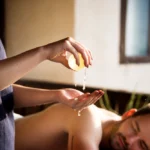
- Abhyanga: Warm herbal oil massage to reduce stiffness and improve circulation
- Swedana: Medicated steam therapy to relieve rigidity and pain
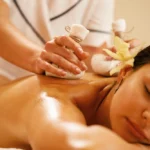
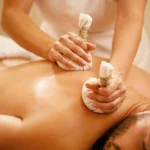
- Patra Pinda Sweda: Herbal bolus therapies to nourish muscles and joints
- Pichu: Cotton swab soaked in hot medicated oil applied to the part affected
- Nasya: Nasal administration of medicated oils to balance Vata in the upper body
- Basti: The most effective therapy for systemic Vata disorders
These therapies are selected based on the patient’s condition and stage of frozen shoulder.
Ayurvedic Treatment for Frozen Shoulder in Kerala
Kerala is widely regarded as the hub of authentic Ayurvedic treatment in India. Ayurvedic treatment for frozen shoulder in Kerala is known for:
- Traditional Panchakarma protocols
- Experienced Ayurvedic physicians
- Use of authentic herbal oils and formulations
- Serene treatment atmosphere
Patients may undergo inpatient or outpatient treatment depending on severity. Many also combine treatment with rejuvenation programs at an Ayurvedic retreat in Kerala, which supports faster recovery.
You can explore comprehensive care options through Ayurveda treatments in Kerala designed for joint and musculoskeletal disorders.
Ayurvedic Medicines for Frozen Shoulder Pain
Ayurvedic medicines help reduce pain, inflammation, and stiffness while strengthening joint tissues. Commonly prescribed formulations may include:
- Rasna-based Kashayams for Vata pacification
- Guggulu preparations to reduce inflammation
- Dashamoola formulations for pain relief and nourishment
- Medicated oils for internal and external use
The choice of medicine depends on the patient’s dosha constitution, stage of the condition, and associated health issues. Medicines should always be taken under medical supervision.
Why Choose Ayurvedic Treatment for Frozen Shoulder in Kerala?
Choosing Ayurvedic treatment for frozen shoulder in Kerala offers several advantages:
- Authentic therapies rooted in classical Ayurveda
- Personalized, doctor-supervised treatment plans
- Focus on long-term relief rather than temporary pain control
- Minimal side effects with natural medicines
- Supportive climate and peaceful healing environment
Read more: Ayurvedic Treatment for Insomnia
Conclusion
Frozen shoulder can be painful and disabling if left untreated. Ayurveda offers a comprehensive and natural approach by addressing the underlying Vata imbalance, reducing stiffness, and restoring shoulder mobility. With therapies like Panchakarma, herbal medicines, and lifestyle correction, long-term relief is achievable.
Seeking Ayurvedic treatment for frozen shoulder in Kerala ensures access to authentic care, experienced physicians, and a holistic healing environment that supports complete recovery.
FAQs
- What is the best Ayurvedic medicine for frozen shoulder?
Ayurvedic medicines for frozen shoulder are prescribed based on dosha imbalance, stage of frozen shoulder, and overall health. The common formulations include Rasna-based kashayas, Guggulu formulations, Dashamoola Kashayam, and Mahanarayanadi tailam.
- How long does Ayurvedic treatment take to cure frozen shoulder?
The duration depends on the stage and severity of the condition. Mild cases may improve within a few weeks, while chronic cases may require several months of consistent treatment.
- Is Panchakarma effective for frozen shoulder pain?
Yes, Panchakarma therapies are highly effective in managing frozen shoulder by reducing stiffness, improving circulation, and restoring joint mobility when performed under expert supervision.
- Can frozen shoulder be treated completely with Ayurveda?
Ayurvedic treatment for frozen shoulder aims for long-term relief and functional recovery. Early diagnosis and consistent treatment significantly improve outcomes and help prevent recurrence.
- Why is Kerala famous for Ayurvedic treatment for frozen shoulder?
Kerala is known for its authentic Ayurvedic tradition, experienced physicians, classical Panchakarma therapies, and natural healing environment, making it a trusted destination for frozen shoulder treatment.