
Joint pain can significantly affect daily life, mobility, and overall quality of life. Ayurveda offers time-tested therapies, herbal formulations, dietary guidelines, and lifestyle practices to manage joint pain naturally by addressing the root cause rather than just the symptoms. This guide explains how Ayurveda approaches joint pain and the best Ayurvedic treatment available, especially for those considering authentic Ayurvedic treatments in Kerala.
Key Takeaways
- Ayurvedic treatment for joint pain focuses on addressing the root cause, primarily Vata imbalance and the accumulation of toxins.
- Effective therapies like Abhyanga, Kizhi, and Vasti are used to reduce inflammation, strengthen joints, and improve mobility.
- Ayurvedic medicines for joint pain such as Guggulu, Shallaki, and Ashwagandha offer natural, long-term relief from discomfort.
- A customized Anti-Vata diet and appropriate lifestyle changes are essential components of a successful joint pain treatment in Ayurvedic practice.
- For chronic conditions, seeking a specialized ayurvedic retreat in Kerala at Back to Roots Ayurveda can provide long-term healing.
Understanding Joint Pain in Ayurveda
In Ayurveda, joint pain is associated with Vata dosha imbalance. Vata dosha governs movement and circulation in the body. When Vata dosha gets aggravated, it can lead to stiffness, restricted mobility in the joints, and pain. Along with that, poor digestion weakens the digestive fire, resulting in the accumulation of toxins. These toxins accumulate in the joints, resulting in inflammation, swelling, and persistent pain.
What Causes Joint Pain According to Ayurveda?
According to Ayurveda, joint pain results from:
- Imbalance of Vata dosha due to age, stress, cold exposure, and poor diet
- Accumulation of toxins leading to inflammation
- Degeneration of cartilage and synovial lubrication loss
- Injuries, including sprains, strains, fractures, or damage from falls, sports, or repetitive motions
- Inflammation from repeated stress on a joint
- Infections such as Lyme disease, viral infections, or bacterial infections
- Autoimmune diseases such as Lupus and Rheumatoid Arthritis, which cause systemic inflammation
- Obesity
- Lack of exercise
Vata Imbalance and Degenerative Joint Issues
When Vata dosha is aggravated, it leads to dryness, degeneration, and reduced lubrication in the body, specifically in the joints. The condition results in characteristic cracking, stiffness, and intense, fluctuating pain associated with degenerative joint issues such as osteoarthritis (known as Sandhivata).
Types of Joint Disorders
While Vata imbalance is the primary reason, joint pain can also be linked to other doshas and imbalances:
- Sandhivata (Osteoarthritis): Sandhi Vata is a degenerative joint disease causing pain, swelling, and stiffness, especially in weight-bearing joints like knees and hips, characterized by Vata imbalance affecting joint cartilage.
- Amavata (Rheumatoid Arthritis): A condition in which the accumulation of Ama (toxins) combined with an imbalance of Vata leads to severe pain, inflammation, swelling, and redness.
- Vatarakta (Gout): Gout is considered a disorder caused by the vitiation of Vata dosha and Rakta dhatu (blood tissue), resulting in sudden, intense pain and swelling, and commonly affects the big toe, ankles, or knees.
You may also like: Ayurvedic Treatment for Anxiety
Best Ayurvedic Treatments for Joint Pain
Ayurvedic treatment for joint pain aims at eliminating toxins and restoring the balance of Vata dosha in the body and thereby rejuvenating the joint tissues. It includes a combination of Panchakarma therapies, herbal formulations, a tailored diet, and lifestyle modifications.
Abhyanga (Herbal Oil Massage)
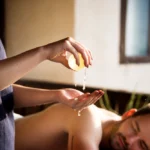
This full-body or localized warm oil massage uses Vata-pacifying herbal oils, including Dhanwantaram or Sahacharadi Thailam, to nourish the tissues, increase blood circulation, and provide deep lubrication to the joints.
Kizhi (Herbal Pouch Therapy)
Heated cotton pouches (Kizhi) are filled with a mixture of medicinal herbs, herbal powders, or rice and are applied to the painful joints. The heat and medicinal properties of the potent herbs penetrate deep to the tissues to reduce pain, inflammation, and stiffness.
Njavarakizhi (Rice Bundle Therapy)
A nourishing therapy where the body or the affected area is massaged with boluses of Njavara (a special variety of rice) cooked in milk and medicinal decoctions. It helps strengthen muscles, nourish tissues, and improve joint mobility, especially in chronic conditions.
Vasti (Medicated Enema)
Considered the best treatment for Vata disorders, Vasti administers medicated oil and herbal decoctions via the rectum. Since the colon is the primary seat of Vata, this therapy directly targets and balances the vata dosha, offering significant relief from deep-seated joint pain ayurvedic complaints.
Pizhichil (Therapeutic Oil Bath)
Pizhichil involves a continuous stream of warm, medicated oil being poured over the body for a fixed duration. This soothing and deeply therapeutic treatment is highly effective for chronic Vata issues, relaxing the muscles and lubricating the joints.
Effective Ayurvedic Medicines for Joint Pain
Alongside external therapies, specific ayurvedic medicines for joint pain are prescribed internally to purify the system, eliminate toxins, and repair damaged joint tissues.
Guggulu Formulations
Guggulu (Indian Bdellium) is a resin that has anti-inflammatory and detoxifying properties. Formulations such as Yograja Guggulu, Kaishora Guggulu, and Mahayogaraja Gugglu help to reduce joint stiffness and pain by clearing Ama, making them a cornerstone of ayurvedic medicine for arthritis.
Shallaki (Boswellia Serrata)
Shallaki is a powerful anti-inflammatory herb that prevents cartilage damage and relieves stiffness, pain, and swelling in arthritis.
Ashwagandha for Strengthening Bones and Joints
Known as an adaptogen, Ashwagandha (Withania somnifera) helps reduce stress, which can aggravate Vata. More importantly, it nourishes the muscle and bone tissues, providing strength and stability to the joints.
Turmeric and Ginger for Inflammation
Turmeric (Curcumin) is a natural anti-inflammatory agent, while Ginger (Shunthi) improves digestion, which helps prevent Ama formation.
Dashmoola and Rasna for Pain Relief
Dashmoola (a blend of ten roots) and Rasna are key ingredients in herbal preparations and decoctions specifically used to reduce pain and inflammation and restore nerve function around the joints.
Diet & Lifestyle Recommendations for Joint Health
Ayurvedic treatment for joint pain also includes diet and lifestyle changes. These adjustments help sustain the balance achieved through therapies and medicine.
Anti-Vata Diet for Pain Reduction
- Warm, cooked, and slightly oily foods.
- Soups, stews, root vegetables, and whole grains.
- Use Ghee (clarified butter) and sesame oil for internal lubrication.
- Use spices, including turmeric, cumin, and coriander, to improve digestion and ease inflammation.
- Sweet, sour, and salty tastes are balancing for Vata.
Foods to Avoid (Cold, Dry, Processed Foods)
- Cold, dry, raw, and processed foods aggravate Vata.
- Avoid carbonated drinks and ice-cold beverages.
- Avoid excessive consumption of raw salads and beans, which can cause gas and bloating.
- Pungent, bitter, and astringent tastes aggravate Vata dosha
Morning Routine to Improve Joint Mobility
A gentle, consistent morning routine is vital. This can include light stretching, sun exposure, and a self-Abhyanga using warm sesame oil to loosen stiff joints.
For better sleep and healing, also consider: Ayurvedic Treatment for Insomnia
Hydration & Copper-Charged Water Benefits
Staying well-hydrated is critical to maintaining lubrication in the joints. Drinking water stored overnight in a copper vessel is recommended. Learn more about Benefits of Drinking Water in a Copper Vessel.
When to Visit an Ayurvedic Retreat
If you are dealing with chronic, persistent joint pain, the best course of action is visiting an authentic Ayurvedic treatment centre. An extended stay at Back to Roots Ayurveda, an authentic ayurvedic retreat in Kerala offers a structured environment for deep cleansing therapies like Panchakarma, allowing your body and mind to focus entirely on recovery. Here, experienced doctors provide a personalized protocol to address the root cause of your pain.
Conclusion
Ayurvedic Treatment for Joint Pain offers natural and highly effective pathway to lasting relief. By understanding the role of Vata and Ama, and integrating powerful external therapies, internal medicine, and targeted lifestyle adjustments, individuals can restore joint health, regain mobility, and significantly improve their quality of life.
FAQs
Which is the best Ayurvedic treatment for joint pain?
Vasti (Medicated Enema) is generally considered the most effective therapy for balancing Vata, the root cause of most chronic joint pain. When combined with nourishing therapies like Kizhi and Abhyanga, it provides comprehensive relief.
How long does Ayurvedic joint pain treatment take?
For acute pain, relief can be felt within a few days to weeks of starting treatment. For chronic conditions like arthritis, a full course of treatment, often including Panchakarma, can take 3 to 4 weeks, followed by several months of home-based medicine and diet regimen.
Can Ayurveda cure arthritis permanently?
While Ayurveda can offer significant, long-term relief and management for many forms of arthritis and chronic joint pain, permanent cure depends on the severity and type of arthritis. It is highly successful in reversing the progression of the disease, eliminating symptoms, and restoring joint function, especially when lifestyle adherence is maintained.
What foods worsen joint pain according to Ayurveda?
Foods that aggravate Vata including cold, raw, dry foods, such as raw salads, cold drinks, dried fruits (consumed without soaking), and excessive consumption of gas-producing legumes (beans). Fermented and overly processed foods can also increase Ama and inflammation.
Is Panchakarma necessary for chronic joint issues?
For chronic, severe, or long-standing joint pain treatment in Ayurvedic practice, Panchakarma is often highly recommended. It is a necessary deep-cleansing process that removes deep-seated toxins (Ama) and re-establishes Dosha balance, paving the way for lasting rejuvenation.